How to Choose a Greenhouse – The Complete Guide
Choosing the right greenhouse can feel overwhelming, but it doesn’t have to be. Whether you’re growing your first tomato plant or creating a year-round gardening space, this guide will walk you through the key decisions to help you find the perfect greenhouse for your garden, budget, and growing goals.
And remember – we’re always here to help. If you’d like advice or want to discuss your options, simply Contact Us with any questions.
1. Choose Your Greenhouse Style
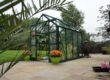
Freestanding Greenhouses:
Great if you have enough garden space and want maximum light. Classic style, offering light from all sides.
Best for: Most gardeners, beginners to advanced.
Lean-To Greenhouses:
Attached to a wall, ideal for small gardens or patios. The wall stores heat and improves insulation.
Best for: Smaller spaces, warmer growing environments.
Mini, Urban & Small Greenhouses:
Compact, affordable and perfect for beginners or tight spaces.
Best for: Seed starting, balconies, courtyards, urban gardens.
Orangeri’s, Plantrooms & Garden Rooms:
Larger, multi-purpose garden structures offering both growing space and room for seating or leisure.
Best for: Bigger gardens and customers wanting a combined growing and relaxation space.
Bespoke Greenhouses (Elite):
Adjustments can be made to all Elite Greenhouses
Best for: Additional doors, unlimited lengths, non-standard layouts, custom colours, interior partitions, and “R-type” greenhouses designed to sit against a wall.
2. Select the Right Frame Material
Aluminium Frames
Lightweight, strong, long-lasting and low-maintenance.
Pros: Doesn’t rot, rust-resistant, modern look, powder coating available on most models
Popular with: Halls, Juliana, Elite.
Timber/Cedar Frames
Beautiful, traditional, and insulating.
Pros: Excellent aesthetic, more natural warmth.
Cons: Requires treatment and maintenance.
3. Choose Your Glazing
Toughened Safety Glass
The most popular option.
- Shatters safely, the best choice for gardens with children or pets.
- Better wind resistance
- Cleaner views and more light
- Full sheets, rather than smaller, overlapping sheets.
Polycarbonate
Lightweight, shatterproof, and very insulating. Not recommended for exposed/coastal areas.
- Safer for family gardens
- Slightly diffused light
- More insulating than glass
Horticultural Glass
Traditional and inexpensive.
- More fragile
- Breaks in hazardous shards, rather than smaller, safer pieces
- Easy to replace
4. Pick the Right Size
A common rule: Buy the largest greenhouse your space and budget allow.
Nearly all gardeners say, “I wish I’d bought bigger!”
Consider:
- Space for shelving, staging and pathways
- Height for tomatoes, cucumbers and climbing crops
- Whether you’ll want heating, shading or rainwater collection later
- Space for water butts and guttering
- Door size and accessibility
- Low-threshold entrances (important for mobility needs)
- All greenhouses are bigger than the nominal size advertised. I.e. a 6×8 will usually be around 6’3″ x 8’5″.
- An appropriate, well built and solid, level base. See our base guide for further information.
5. Consider Ventilation & Heating
Healthy plants need fresh air and stable temperatures.
Ventilation Options
- Roof vents
- Louvre vents
- Automatic vent openers (highly recommended). Unsure how they work? Read our page here
Heating Options
- Electric greenhouse heaters
- Soil warming cables for propagation
- Insulation with bubble wrap in winter
6. Don’t Forget Accessories
Quality accessories can transform your growing experience.
Essential accessories include:
- Staging & shelving
- Shading blinds
- Rainwater collection kits
- Automatic vent openers
- Propagation equipment (heat mats, cables)
Tip: It’s not essential to buy everything at once. If you’re new to greenhouse gardening, you might prefer to get started first and add accessories as you learn what you really need, especially if budget is a consideration. For example, although an automatic opener is our 10/10 recommendation, it isn’t essential if your greenhouse is delivered in early winter – you won’t use it much until spring, where they can then be added. Staging and shelving can also be added at any time.